
Managing and preventing the progression of Rheumatoid Arthritis (RA) requires a multifaceted approach that includes medical treatment, lifestyle adjustments, and self-care practices. Here are some helpful tips to manage and potentially prevent flare-ups:
1. Follow Your Treatment Plan
- Medication adherence: Take prescribed medications as directed by your doctor, including DMARDs, biologics, and pain relievers.
- Regular check-ups: Monitor your condition through regular doctor visits to adjust medications as needed and to track joint health.
2. Exercise Regularly
- Low-impact activities: Engage in activities like walking, swimming, or cycling to strengthen muscles around joints and improve flexibility without causing strain.
- Stretching and strength training: These exercises help improve joint mobility and muscle support.
- Physical therapy: A trained physical therapist can help you design an exercise program tailored to your needs and condition.
3. Maintain a Healthy Weight
- Carrying excess weight puts additional stress on your joints, particularly weight-bearing joints like the knees and hips. Maintaining a healthy weight can help prevent extra wear and tear on the joints affected by RA.
4. Eat an Anti-inflammatory Diet
- Omega-3 fatty acids: Foods like fatty fish (salmon, mackerel), flaxseeds, and walnuts may help reduce inflammation.
- Fruits and vegetables: A diet rich in antioxidants (from colorful fruits and veggies) can support overall health and reduce inflammation.
- Limit processed foods: Avoiding sugar, refined carbs, and processed foods may reduce inflammation.
5. Manage Stress
- Chronic stress can worsen symptoms of RA. Practice relaxation techniques such as meditation, deep breathing, or mindfulness to reduce stress levels.
- Consider yoga or tai chi, which can improve both physical flexibility and mental well-being.
6. Protect Your Joints
- Proper posture and ergonomics: Make sure to use good posture while sitting, standing, and lifting to minimize strain on joints.
- Assistive devices: Use tools like braces, splints, or ergonomic devices to help protect and support affected joints, especially during activities that may be hard on them.
7. Get Sufficient Rest
- Fatigue is common in RA, so it’s important to get enough sleep and allow your body to rest. Balance activity with rest periods to prevent overexertion.
8. Avoid Smoking and Limit Alcohol
- Smoking: Smoking can exacerbate RA symptoms and increase the risk of joint damage.
- Alcohol: Limit alcohol intake, especially if you’re on medications like methotrexate, which can interact negatively with alcohol.
9. Stay Hydrated
- Drinking enough water helps maintain joint lubrication, which can be beneficial in reducing stiffness and discomfort in the joints.
10. Monitor and Recognize Flare-ups
- Track symptoms: Keep a journal of your symptoms, activities, and any triggers that might be leading to flare-ups, so you can adjust your management strategies.
- Early intervention: If you notice early signs of a flare-up, contact your healthcare provider promptly to adjust your treatment plan before it becomes more severe.
11. Consider Complementary Therapies
- Some people find relief from certain alternative treatments such as acupuncture, massage therapy, or hot/cold therapy. Always discuss these options with your healthcare provider before incorporating them into your routine.
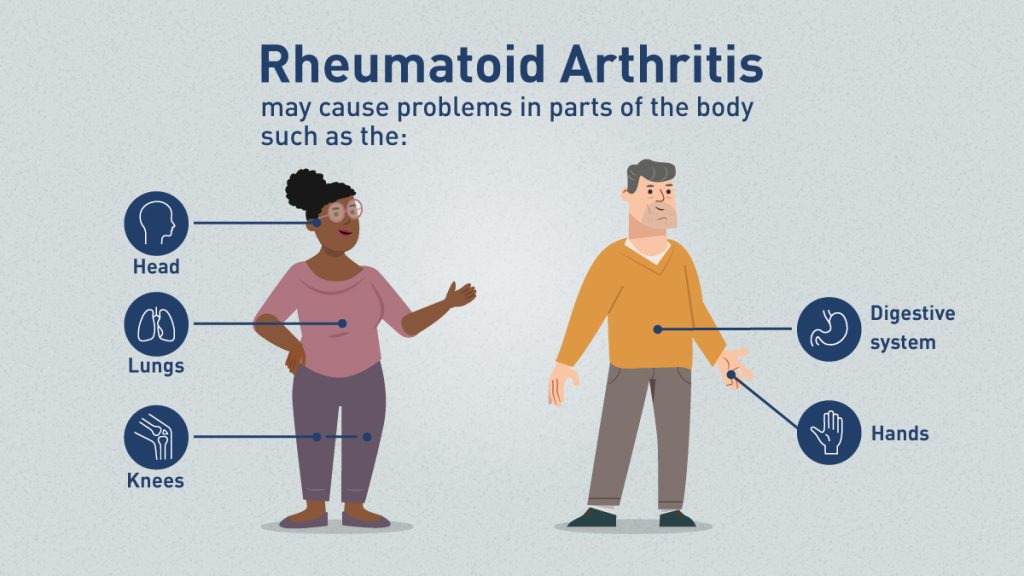
By proactively managing RA with these strategies, you can reduce symptoms, minimize flare-ups, and maintain a higher quality of life. Regular communication with your healthcare provider is key to staying on top of your treatment plan and adjusting it as necessary.