
A Clearer View for Better Diagnosis and Treatment
V.L. Makabali Memorial Hospital provides endoscopy services to help physicians examine the inside of the digestive system, identify possible medical conditions, and determine the most appropriate treatment for every patient.
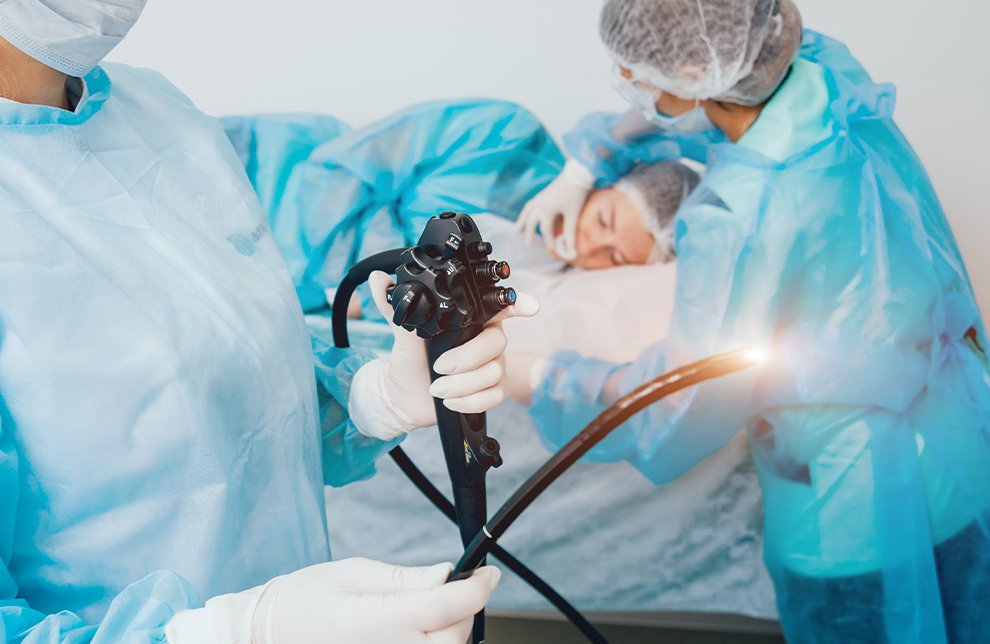
Endoscopy is a medical procedure that uses a specialized instrument called an endoscope a thin, flexible tube equipped with a light and a small camera. The camera produces real-time images that allow the physician to carefully examine areas of the body that cannot be evaluated through an ordinary physical examination alone.
Most endoscopic procedures are performed to examine the upper gastrointestinal tract, which includes the esophagus, stomach, and the first part of the small intestine called the duodenum. Depending on the patient’s symptoms and medical condition, endoscopy may also be used to examine other parts of the digestive system.
What Is Upper Gastrointestinal Endoscopy?
Upper gastrointestinal endoscopy, also known as gastroscopy, upper GI endoscopy, or esophagogastroduodenoscopy (EGD), is a procedure used to examine the lining of the:
- Esophagus or food pipe
- Stomach
- Duodenum or first portion of the small intestine
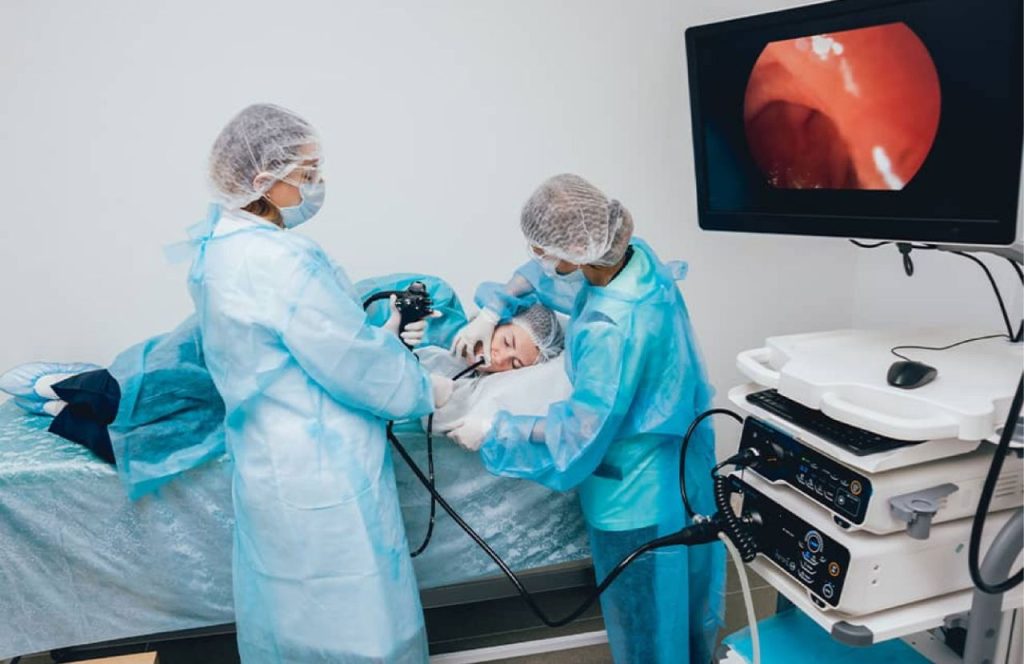
During the procedure, the endoscope is gently passed through the patient’s mouth and throat and guided into the upper digestive tract. The images produced by the camera are displayed on a monitor, allowing the physician to look for inflammation, ulcers, bleeding, abnormal growths, narrowing, tumors, and other possible conditions.
The procedure usually does not interfere with breathing. A local anesthetic may be applied to numb the throat, and sedation may be given to help the patient remain calm and comfortable. The type of sedation and preparation will depend on the patient’s health, the physician’s recommendation, and the procedure being performed.
Why Is Endoscopy Performed?
A physician may recommend an endoscopy when a patient has persistent or unexplained symptoms involving the digestive system. These may include:
- Recurrent or persistent upper abdominal pain
- Difficulty or pain when swallowing
- Frequent heartburn or acid reflux
- Persistent nausea or vomiting
- Vomiting of blood
- Black or tarry stools
- Unexplained anemia
- Unintentional weight loss
- Loss of appetite
- Suspected gastric or duodenal ulcer
- Gastrointestinal bleeding
- Feeling that food is stuck in the throat or chest
- Persistent indigestion
- Abnormal findings from an X-ray, CT scan, or other diagnostic test
- Suspected polyps, abnormal growths, or tumors
- The need to monitor a previously diagnosed digestive condition
Not every patient with these symptoms will require an endoscopy. A physician will first evaluate the patient’s medical history, symptoms, medications, physical findings, and previous test results before recommending the procedure.
More Than a Diagnostic Examination
Endoscopy is not limited to looking inside the digestive tract. Depending on the findings and the type of procedure, the physician may also perform certain diagnostic or therapeutic interventions.
These may include:
- Taking a small tissue sample or biopsy for laboratory examination
- Testing tissue for infection or abnormal cellular changes
- Identifying the source of gastrointestinal bleeding
- Controlling certain types of bleeding
- Removing selected polyps or abnormal tissue
- Removing a foreign object
- Evaluating a narrowed area of the digestive tract
- Monitoring healing or changes in a previously diagnosed condition
A biopsy does not automatically mean that cancer is suspected. Tissue samples may also be collected to evaluate inflammation, infection, ulcers, and other noncancerous conditions.
Conditions That May Be Detected
Endoscopy may help physicians diagnose or evaluate conditions such as:
- Gastritis
- Gastroesophageal reflux disease or GERD
- Esophagitis
- Gastric and duodenal ulcers
- Hiatal hernia
- Upper gastrointestinal bleeding
- Esophageal narrowing or stricture
- Barrett’s esophagus
- Polyps
- Infections affecting the digestive tract
- Abnormal growths or tumors
- Changes that may require biopsy and further evaluation
An accurate diagnosis allows the attending physician to develop a treatment plan based on the patient’s actual condition rather than symptoms alone.
Preparing for an Endoscopy
Proper preparation is important for the safety and accuracy of the procedure. Patients are generally instructed not to eat or drink for a specific number of hours before an upper endoscopy. An empty stomach gives the physician a clearer view and helps reduce the risk of vomiting or aspiration during the procedure.
Before the scheduled endoscopy, patients should inform their physician about:
- All prescription and nonprescription medications
- Blood thinners or antiplatelet medications
- Medicines for diabetes
- Vitamins, herbal products, and dietary supplements
- Medication, latex, or food allergies
- Previous reactions to anesthesia or sedation
- Heart, lung, kidney, or liver disease
- Bleeding disorders
- Pregnancy or possible pregnancy
- Previous endoscopy findings or gastrointestinal surgery
- Any implanted medical device
Patients should not stop taking prescribed medication unless instructed by their physician. The healthcare team will provide individualized instructions based on the patient’s medical condition and current medications.
If sedation will be used, the patient may be required to have a responsible adult accompany them home. Driving, operating machinery, drinking alcohol, signing important documents, or making major decisions may be restricted for the remainder of the day.
What to Expect During the Procedure
Before the procedure, the healthcare team will confirm the patient’s identity, medical history, allergies, medications, and consent. Vital signs such as blood pressure, pulse rate, breathing rate, and oxygen level may be monitored.
The patient is usually positioned on their side. A mouth guard may be placed to protect the teeth and the endoscope. Medication may be given to numb the throat, provide sedation, or both.
The physician will then carefully guide the endoscope through the mouth and into the upper digestive tract. Air or carbon dioxide may be introduced to gently expand the area and improve visibility. If necessary, photographs, tissue samples, or other appropriate interventions may be performed.
The duration of the procedure varies depending on the patient’s condition and whether additional interventions are required.
After the Procedure
After endoscopy, the patient will be monitored in a recovery area until the effects of sedation have sufficiently worn off. Some patients may temporarily experience:
- Mild throat discomfort
- A bloated or gassy sensation
- Minor abdominal discomfort
- Drowsiness from sedation
- Temporary nausea
These symptoms are usually mild and improve within a short period. The healthcare team will provide instructions regarding eating, drinking, medications, activities, follow-up consultation, and when normal activities may be resumed.
The physician may discuss the initial findings after the procedure. If a biopsy or tissue sample was taken, the final results may require additional time because the specimen must be examined in the laboratory. A follow-up consultation may be needed to discuss the results and the recommended treatment plan.
When to Seek Immediate Medical Attention
Although endoscopy is generally considered safe, complications may occasionally occur. Patients should immediately contact their physician or proceed to the Emergency Department if they experience:
- Severe or worsening abdominal or chest pain
- Difficulty breathing
- Persistent vomiting
- Vomiting of blood
- Black or bloody stools
- Fever or chills
- Difficulty swallowing that becomes worse
- Severe weakness, dizziness, or fainting
- Redness, swelling, or pain at the intravenous site
- Any unusual or rapidly worsening symptom
Patient Safety and Comfort
At V.L. Makabali Memorial Hospital, patient safety, dignity, privacy, and comfort are important throughout every stage of care. Our healthcare team works to provide appropriate preparation, careful monitoring, proper infection-prevention practices, and clear instructions before and after the procedure.
Every patient is individually assessed because preparation, sedation, procedure requirements, and recovery time may vary. Patients and their families are encouraged to ask questions and discuss any concerns with the attending physician and healthcare team.
Schedule a Consultation
If you are experiencing persistent abdominal pain, difficulty swallowing, recurrent heartburn, unexplained anemia, vomiting of blood, black stools, or other concerning digestive symptoms, consult a qualified physician as soon as possible.
A medical consultation is necessary to determine whether endoscopy is appropriate for your condition. Emergency symptoms such as vomiting blood, passing black or bloody stools, severe abdominal pain, fainting, or difficulty breathing require immediate medical attention.
For inquiries regarding Endoscopy Services, preparation instructions, physician consultation, or appointment availability, please contact V.L. Makabali Memorial Hospital.
V.L. Makabali Memorial Hospital
Committed to providing compassionate, patient-centered, and dependable healthcare for our community.
Medical Disclaimer: This information is provided for general education only and is not a substitute for medical consultation, diagnosis, or treatment. The need for endoscopy and the appropriate preparation must be determined by a qualified physician based on the patient’s medical condition.